Wyoming - Dog
A First Impression That Speaks Volumes
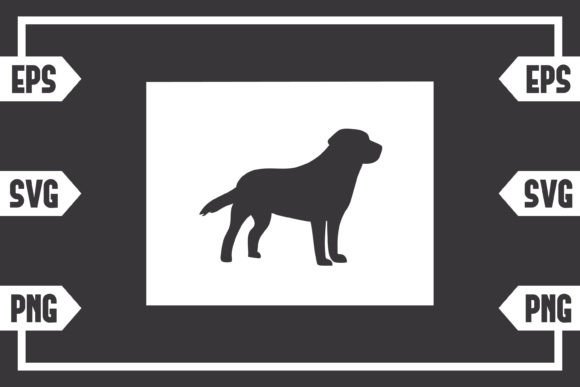
The moment I opened the Wyoming - Dog embroidery file, I was struck by its simplicity and charm. It’s a design that feels both grounded and whimsical, like a small-town mascot with a story to tell. The dog is rendered in clean lines and subtle shading, giving it a hand-drawn feel that’s surprisingly lifelike for a digital design. It’s not overly detailed, which makes it versatile for different applications, but there’s enough character to make it memorable.
Where Does Wyoming - Dog Belong?
As someone who frequently works on custom apparel and handmade products, I immediately thought of how this design could fit into a variety of projects. A sweatshirt embroidery would be perfect—especially for a casual, laid-back look. It could also work well on a tote bag design, adding a personal touch to everyday items. For holiday embroidery, it might even serve as a seasonal motif, especially if paired with snowflakes or evergreens.
I can see it being used on custom apparel for boutique brands or small shops looking to add a unique flair to their product lines. It’s also ideal for personalized gifts, such as embroidered patches or fabric tags. The design’s low detail level means it won’t overwhelm smaller areas, making it a great choice for embroidered patches or applique designs.
Real-World Testing: How Does It Hold Up?
To get a better sense of how Wyoming - Dog performs in real life, I tested it on a few different fabrics and machines. On a cotton tote bag, it looked clean and sharp, with good stitch density and minimal distortion. However, I noticed that on a thinner fabric like linen, the design began to show some slight stretching, particularly around the dog’s ears and tail.
It’s important to note that stitch density plays a big role in how the design looks on different materials. A higher density will result in a more defined image, while a lower density may appear softer or less crisp. This makes Wyoming - Dog a great candidate for digital embroidery files that require flexibility, especially when working with textured fabrics or stretchy materials.
When testing on a dark fabric, the contrast between the thread color and the background became a key consideration. I recommend checking the thread colors included in the design or experimenting with different hues to ensure visibility. If you’re planning to use it for commercial embroidery, this step is crucial for maintaining brand consistency and customer satisfaction.
Design Considerations for Different Projects
Wyoming - Dog is a versatile design that can adapt to many project types, but there are certain scenarios where it should be used with caution. For instance, it might not be the best choice for small hoop sizes, as the design could become distorted or lose clarity. Similarly, it may not render well on curved surfaces like caps or hats due to the lack of intricate details that help maintain shape integrity.
If you’re planning to use it on layered garments, be sure to test it on scrap fabric first. The design’s simplicity means it can sometimes blend into the background, especially if the fabric has a busy pattern. Additionally, tiny lettering or decorative accents within the design might not translate well to smaller-scale projects, so always inspect the stitch density and overall layout before committing to a final product.
Visual Appeal and Brand Value
One of the biggest advantages of Wyoming - Dog is its ability to enhance the visual appeal of a finished product without overwhelming the viewer. It adds a touch of personality and charm that’s hard to replicate with generic designs. For handmade products, this can be a significant selling point, as customers often gravitate toward items that feel personal and unique.
From a branding perspective, the design offers a strong foundation for craft business owners and Etsy sellersprintable mockups and design assets, allowing for consistent presentation across multiple platforms. Whether you're creating custom apparel or personalized gifts, the right use of stabilizer and hoop size will make all the difference in the final outcome.
Practical Designer Notes
Before using Wyoming - Dog in any commercial or personal project, I recommend taking a few practical steps. First, always test the design on scrap fabric to assess stitch clarity and fabric compatibility. Next, review the stitch density and adjust it if necessary to suit your specific machine and material.
Check the thread color contrast against different fabric backgrounds, and consider experimenting with black-and-white mockups to ensure the design holds up in various lighting conditions. Don’t forget to use proper stabilizer to prevent puckering, especially on stretchy or thin fabrics.
Finally, confirm whether the design is licensed for commercial use. If you plan to sell finished products or digital assets, this is a critical step to protect both your business and your customers.